
For current owners and leaders
There’s no buyer coming for most small businesses.
For companies under a few million in value, private equity isn’t interested and competitors won’t pay what they’re worth. The person taking over from the inside is the exit. This is a seven-minute assessment of whether that person is ready.
Your retirement isn’t paid for at closing.
Most transitions at this size are paid for over time — a note, an earn-out, or payments from future cash flow.
So your retirement depends on one person running the business well for years after you step back. For most owners that’s hundreds of thousands of dollars, sometimes a few million, and it’s often the largest part of your retirement.
Most owners insure their buildings, trucks, and inventory. Very few protect the largest asset of their working life, which depends on how well one person handles a job they’ve never done.
Successors fall into three groups.
A few will succeed no matter what anyone does. A few won’t succeed no matter what anyone does. Most are in the middle. They have real leadership ability and even more potential, but they also have gaps. Without a specific plan, many successors in this group stall. With a plan, most of them will succeed.
From the outside, the three groups look alike. The difference usually shows up about eighteen months after the handover, when it’s expensive to fix.
“David helped me gain the tools and perspective necessary to step in as CEO at my family’s construction company. His wisdom and insights have impacted the trajectory of my career.”
 Thomas Renfrow · CEO, Renfrow Industrial
What the assessment does
You rate twenty-one statements about your successor and fill in three short lists, covering the seven areas that decide whether a transition holds: Relationships, Operations, Sales, Finance, Processes, Executive Readiness, and Team.
You’ll get a scored report showing where your successor is strong, where the gaps are, and which two areas to address first. It takes about seven minutes, and it’s free.
Who’s behind this
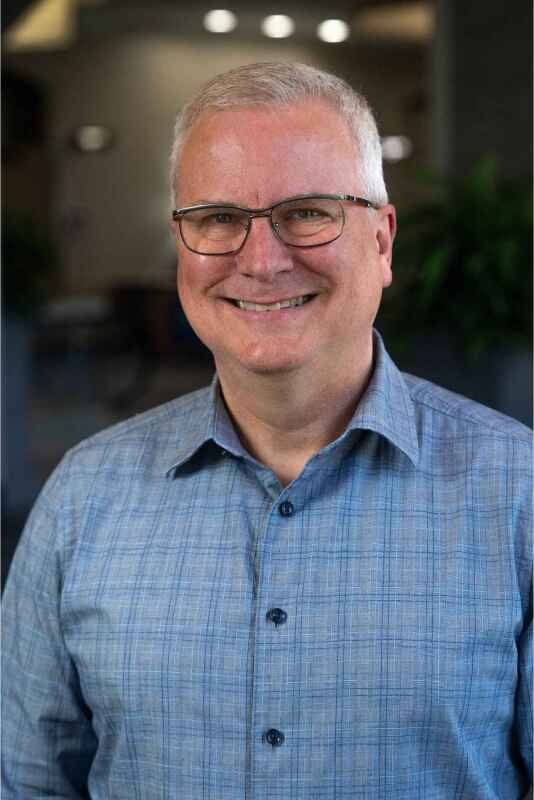
David Delk spent 22 years at a national organization, where he succeeded its founder as President and then as CEO. He leads Delk Consulting, which brings operational clarity, execution, and accountability to small and midsize businesses. He also coaches many leaders in senior roles. Two recent ones: a next-generation CEO leading his family’s business of more than thirty years, and a PE-backed CEO taking over a regional IT firm.
“David’s strategic insights and practical advice have not only helped me overcome obstacles but also enabled me to capitalize on new growth opportunities. He asks the right questions, consistently leading me to gain deeper insights into my business.”
 Amy Fletcher · Founder, ProLogic
“After working closely with David for more than twenty years, I can confidently state that he is eminently qualified to mentor next generation leaders. His strategic input and direction has had a profound impact on leaders all across America.”
 Patrick Morley · Author, The Man in the Mirror