
A proven process to prepare next-generation leaders.
About half of leadership transitions fail, usually for preventable reasons. From the outside, a successor who’s ready can look just like one who isn’t. We built a free assessment that shows you where the gaps are while they’re still inexpensive to close.
Which side of the transition are you on?
You’re ready to pass the torch
You’ve led this business for years. Now your exit, and probably a large part of your retirement, depends on how well the next person runs it. Start by finding out how ready they are.
For current owners and leaders →You’re ready to pick up the torch
Running a part of the company well and running the whole company are different jobs, and in the second one you don’t yet know what you don’t know. Find out where you stand.
For next-generation leaders →Successors fall into three groups.
A few will succeed no matter what anyone does. A few won’t succeed no matter what anyone does. Most are in the middle. They have real leadership ability and even more potential, but they also have gaps. Without a specific plan, many successors in this group stall. With a plan, most of them will succeed.
From the outside, the three groups look alike. The difference usually shows up about eighteen months after the handover, when it’s expensive to fix.
How it works, one step at a time
Each step is worth doing on its own, and you only take the next one if the last was worth it.
The free readiness assessment
It takes about seven minutes and covers the seven areas that decide whether a transition holds: Relationships, Operations, Sales, Finance, Processes, Executive Readiness, and Team. You get a scored report showing where the successor is strong and which two gaps to address first.
Start it now →The Successor Coach Development Plan
This turns those gaps into a dated plan of about four actions a month, across your own timeframe. You also get a report the successor can share with the owner or the board. Once most of the plan is built, you can add a one-to-one review of it with David.
See inside a real plan →The Successor Cohort
This is where you carry out the plan. You spend a year working through it alongside other successors, who help hold you to it. The first cohort starts in March 2027.
See how the cohort works →Who’s behind this
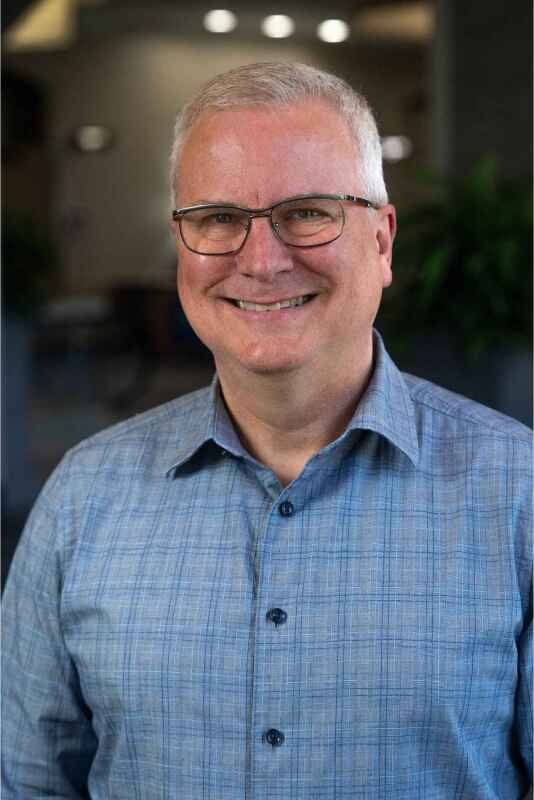
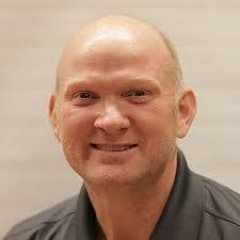
David Delk spent 22 years at a national organization, where he succeeded its founder as President and then as CEO. He leads Delk Consulting, which brings operational clarity, execution, and accountability to small and midsize businesses. He also coaches many leaders in senior roles. Two recent ones: a next-generation CEO leading his family’s business of more than thirty years, and a PE-backed CEO taking over a regional IT firm.
The practice behind it
David coaches the successors himself. Several of the areas the assessment scores are ones his two colleagues at Delk Consulting know deeply.
-
 Brandon DeJong
- An industrial engineer with an MBA from Clemson who came up through Adidas and Michelin in distribution, supply chain, and manufacturing, and who has recently led M&A integration at a PE-backed company. If a transition turns on operations, process, or making an acquisition work after the deal closes, his experience is likely to be directly relevant.
-
 Rick Burmeister
- A former Stryker executive who holds six U.S. patents, has led acquisitions and growth-stage execution, and has launched many major initiatives. If a transition turns on finance discipline, the deal itself, or growth, that is where his experience is most useful.
Full bios at delkconsulting.com.
“David helped me gain the tools and perspective necessary to step in as CEO at my family’s construction company. His wisdom and insights have impacted the trajectory of my career.”
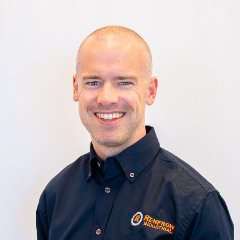 Thomas Renfrow · CEO, Renfrow Industrial
“David’s strategic insights and practical advice have not only helped me overcome obstacles but also enabled me to capitalize on new growth opportunities. He asks the right questions, consistently leading me to gain deeper insights into my business.”
 Amy Fletcher · Founder, ProLogic
“After working closely with David for more than twenty years, I can confidently state that he is eminently qualified to mentor next generation leaders. His strategic input and direction has had a profound impact on leaders all across America.”
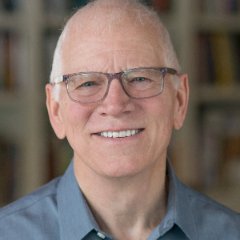 Patrick Morley · Author, The Man in the Mirror
“Working with David transformed my organization. His insights have helped me navigate sticky situations successfully and have led directly to revenue gains on the bottom line.”
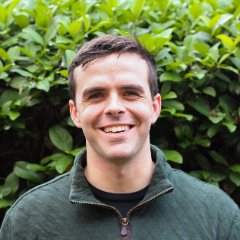 Caleb Robey · Founder, Depot Analytics
“David has been an incredible resource of wisdom and insight to me and our organization in helping navigate the complexities and challenges of senior leadership. He has the unique gift of asking great questions and also offering real time solutions that have moved our mission forward.”
 Josh Beers · President, OneLife